Lisa Kiepert
05.05.2026
Summary
With global crude oil supply becoming less predictable, many operations are preparing for potential lubricant shortages but stockpiling isn’t the only option. Most oil is replaced due to contamination, not degradation, which means filtration and oil analysis can extend its usable life significantly. By focusing on maintaining oil condition instead of constantly replacing it, organizations can reduce costs and reliance on uncertain supply chains.
Your Strategy Matters More Than Your Inventory
Global crude oil supply is becoming less predictable, and with increasing concerns around shipment delays from the Middle East, many operations are starting to prepare for potential lubricant shortages over the next 30 to 90 days.The knee-jerk reaction? Buy more. Stockpile. Get ahead.
Suddenly, prices climb, availability drops, and you’re sitting on expensive inventory that may not even be needed yet.
There’s a better move and it doesn’t involve buying more oil.
It involves using the oil you already have more effectively.
The Problem Isn’t Always the Oil
Lubricants don’t typically fail because they “wear out” overnight.They fail because they get dirty.
Contamination particles, moisture, air quietly degrades performance long before the base oil or additives are actually spent. And once contamination crosses a certain threshold, the oil gets drained and replaced.
Not because it’s dead.
Because it’s contaminated.
That’s a costly distinction.
The Hidden Opportunity Inside Your Equipment
If the oil’s core properties: viscosity, additive package, oxidation levels are still within acceptable limits, then replacing it is often unnecessary.What it really needs is restoration.
This is where most maintenance strategies fall short. They treat oil as a consumable instead of a maintainable asset.
And in times of supply uncertainty, that mindset gets expensive fast.
Filtration: Turning “Used Oil” Back Into Usable Oil
Proper filtration removes the very contaminants that force early oil changes:
- Particulate matter that accelerates wear
- Water that breaks down additives and promotes corrosion
- Sludge and varnish precursors that impact performance
This isn’t theory. It’s a shift from reactive maintenance to controlled oil management.
Instead of asking, “When should we change the oil?”
You start asking, “Is the oil still fit for service?”
Oil Analysis: The Decision-Maker 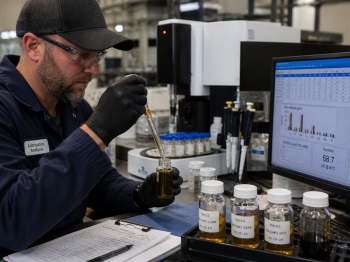
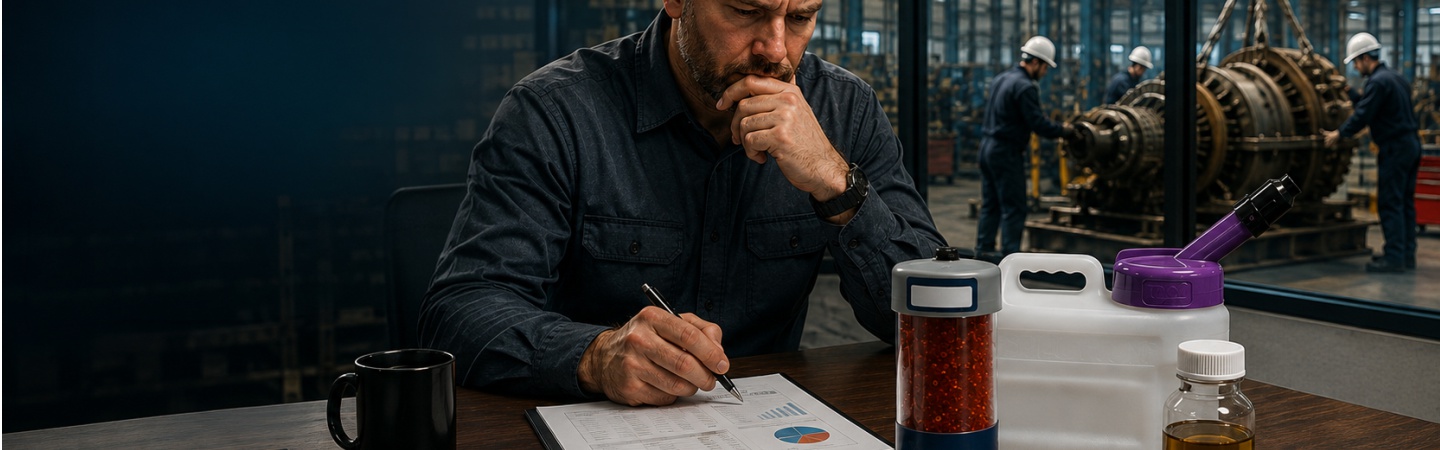
Filtration does the work. Oil analysis tells you when it’s working and when it’s enough.Without analysis, extending oil life is guesswork.
With it, you get clarity:
- Is the oil still within spec?
- Are contaminants under control?
- Are wear metals trending upward?
And in a tight supply environment, guessing wrong gets expensive.
Stockpiling vs. Strategy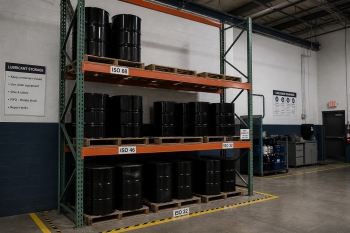
Stockpiling might buy you time.But it doesn’t solve the underlying issue.
If your process still allows contamination to drive oil changes, you’ll burn through that inventory just as fast, just at a higher cost.
A smarter approach:
- Reduce unnecessary oil changes
- Extend drain intervals safely
- Maintain oil cleanliness proactively
- Use analysis to validate every decision
Now you’re not just reacting to supply issues you’re insulating yourself from them.
The Bottom Line
When supply chains tighten, the companies that win aren’t the ones with the most oil.They’re the ones that need the least.
Filtration and oil analysis won’t make headlines. But they will keep your equipment running, your costs controlled, and your dependence on volatile supply chains in check.
If you’re looking to reduce oil consumption without increasing risk, start with your current systems. Clean the oil. Monitor its condition. And make every gallon work harder before you replace it.
Category:
Tags: