Lisa Kiepert
01.27.2026
Summary
Contamination is one of the most common and least visible causes of lubrication-related failures. This article explains how water, dirt, and air enter the lubrication process long before alarms or failures occur, and how oil analysis helps reveal contamination trends over time. Effective control starts upstream, with proper handling practices supported by data, not reaction.
Why Most Lubrication Failures Start Long Before Alarms Go Off
Contamination rarely shows up with a warning sign.It doesn’t make noise.
It doesn’t trigger alarms.
It simply enters the lubrication process and begins doing damage quietly.
By the time a failure becomes visible, contamination has often been present working unnoticed.
The Most Common Threat That Goes Unseen
Most maintenance and reliability professionals understand that contamination is a leading cause of premature component failure. What’s less clear is where it actually enters the system.That’s because contamination rarely comes from a single point of failure. It enters anywhere lubricant is exposed:
- During arrival
- During storage
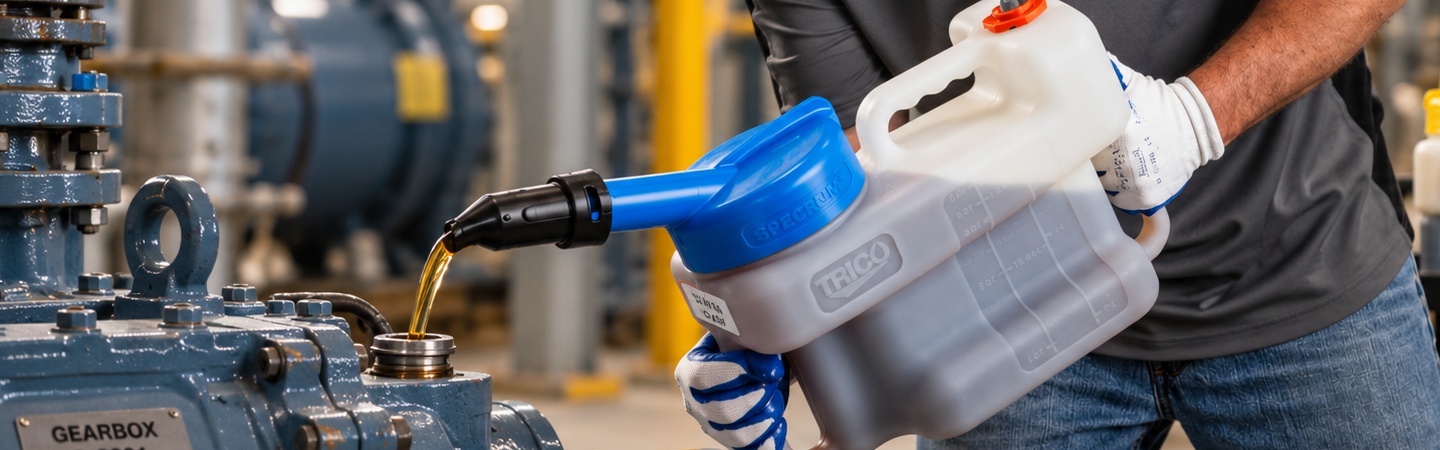
- During transfer
- During handling
- During application
Why Alarms and Even Failures Come Too Late
Condition indicators such as vibration, temperature, and noise do not detect contamination. They detect the effects of contamination.Oil analysis often provides the first measurable evidence that contamination is present but even that data reflects what has already entered the system. Particle counts, moisture levels, and wear metals confirm exposure; they don’t prevent it.
By the time trends begin to rise, lubricant degradation has already started and component life has already been reduced.
In that sense, alarms and oil analysis don’t stop contamination they reveal its footprint.
Normal Practices, Predictable Results
Contamination rarely comes from dramatic mistakes. More often, it results from accepted, everyday habits:
- Containers left open during routine tasks
- Transfer tools shared across multiple lubricants
- Breathers treated as optional rather than essential
- Oil moved or topped off without filtration
Reliability isn’t lost in a single event. It’s lost through repetition.
Using Oil Analysis as a Contamination Control Tool
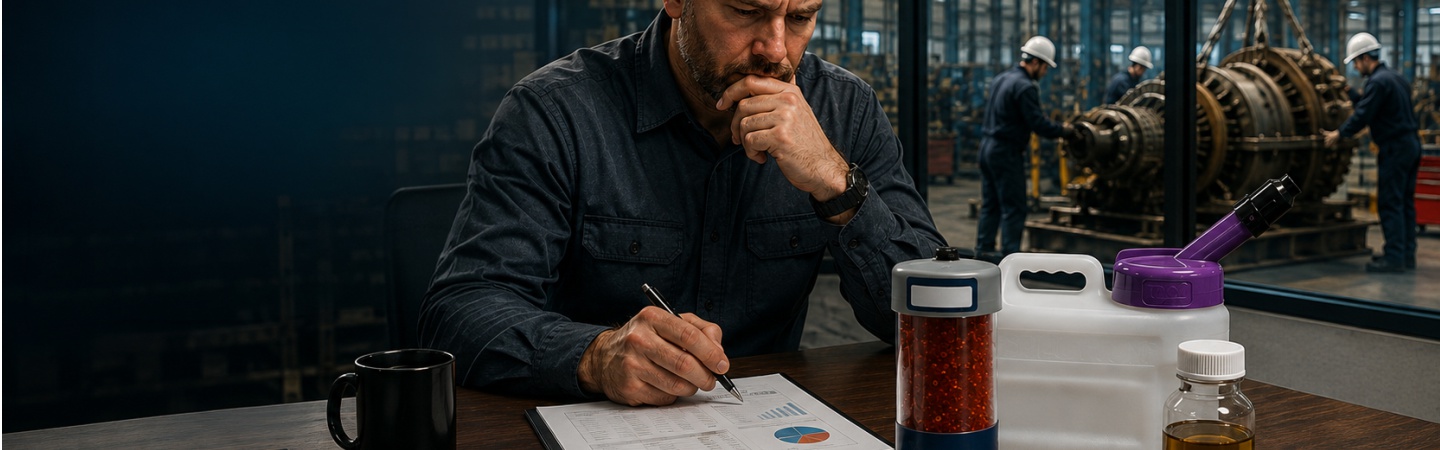
Oil analysis is most powerful when it’s used as part of a broader contamination control strategy.Effective programs use oil analysis to:
- Establish cleanliness baselines
- Identify trends before damage accelerates
- Validate improvements in storage, handling, and filtration
- Confirm whether contamination control efforts are working
Control Starts Before the Asset
The most effective contamination control strategies focus upstream, before lubricant reaches the machine.That includes:
- Protecting lubricant from the moment it arrives on-site
- Controlling how it is stored, transferred, and applied
- Limiting exposure during routine tasks
- Using oil analysis to verify, not guess, results
Look Upstream First
When contamination-related issues continue to appear in oil analysis results, the source is often found before the lubricant ever reaches the machine. Reviewing storage, handling, and transfer practices can reveal risks that are easy to overlook. Trico supports contamination control evaluations that pair proper lubrication practices with data-driven verification.Category:
Tags: