Summary
“Good enough” lubrication rarely causes immediate failure, but it quietly accelerates wear and shortens equipment life. This article explores how average lubrication practices create predictable reliability problems long before alarms ever sound. The real cost isn’t what breaks, it’s what never reaches its full lifespan.
Why Average Practices Quietly Destroy Equipment Reliability
Most lubrication programs don’t fail in dramatic fashion.
They don’t trigger alarms.
They don’t cause immediate breakdowns.
They slowly bleed reliability until failure feels inevitable instead of preventable.
That’s the danger of “good enough” lubrication.
When Nothing Is Broken, Everything Gets Ignored
In many plants, lubrication practices were built years ago often by smart people, under pressure, with limited tools. Over time, those practices became routine. Routine became normal. Normal became unquestioned.
Oil gets changed. Grease gets applied. Machines keep running.
So what’s the problem?
The problem is that lubrication effectiveness isn’t measured by activity, it’s measured by outcomes. And “nothing failed yet” isn’t a metric. It’s a delay.
Average Practices Create Predictable Failures
Here’s what “good enough” often looks like:
- Lubricants exposed to air, moisture, or dirt during storage or transfer
- Grease applied on schedules instead of based on condition
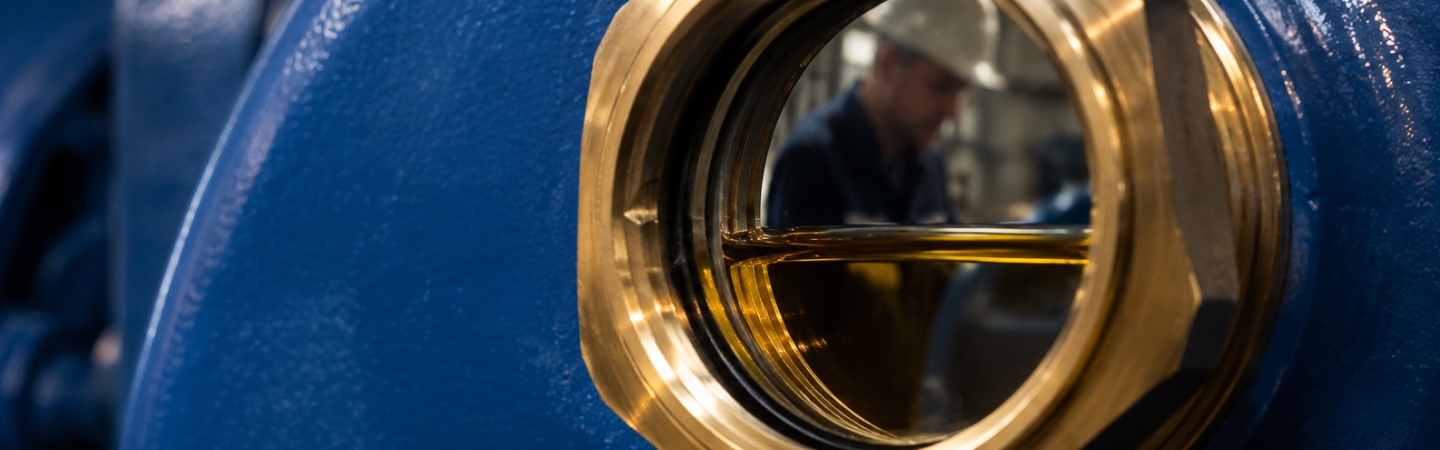
- Oil levels checked visually but not verified for contamination
- Tribal knowledge replacing documented standards
None of these cause instant failure. But together, they create a system where wear accelerates quietly and component life shrinks without warning.
By the time vibration spikes or temperatures rise, the damage is already done.
Why Reliability Suffers Before Anyone Notices
Lubrication sits upstream of most failure modes. When it’s inconsistent, contaminated, or misunderstood, every downstream reliability effort works harder than it should.
Maintenance teams chase symptoms:
- Bearings replaced more often than expected
- Gearboxes running hotter year after year
- Bad luck” failures that keep repeating
In reality, the root cause was built into everyday lubrication habits.
The Gap Between Doing and Doing It Well
The difference between average and reliable lubrication isn’t effort, it’s control.
Reliable programs:
- Control contamination before oil reaches the asset
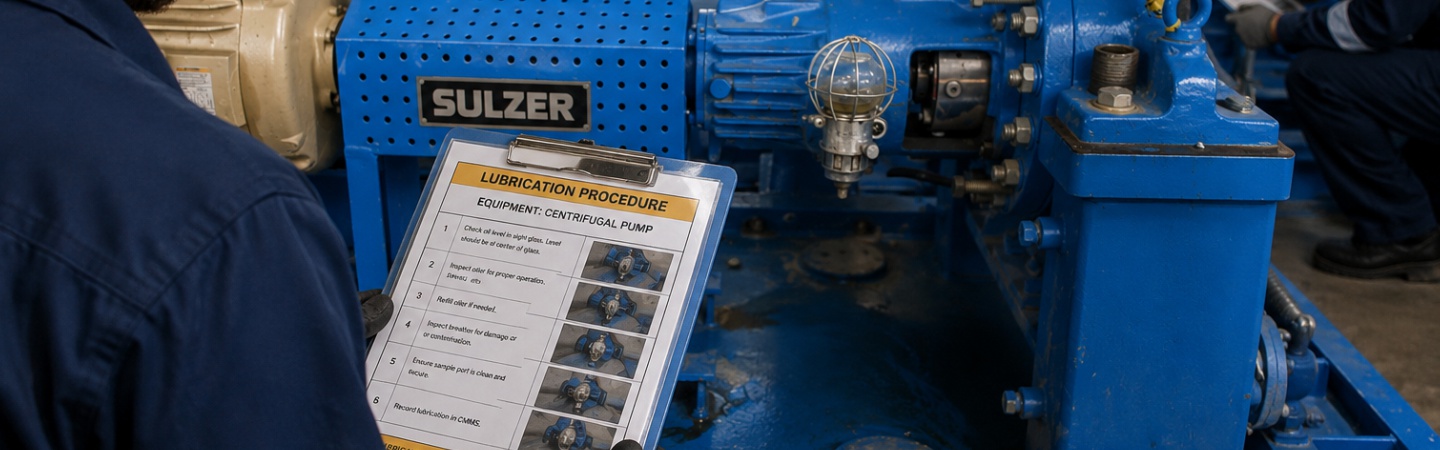
- Standardize lubrication methods instead of relying on memory
- Use condition indicators to guide decisions, not calendars
- Treat lubrication as a system, not a task
That gap is where cost lives. And it’s bigger than most organizations realize.
Start with What You Can See
Before changing anything, start by observing.
Where does lubricant get exposed?
Which steps rely on “we’ve always done it this way”?
Reliability improves fastest when assumptions are questioned first.
If you need help evaluating where hidden risks may exist, the Trico team is available to support reliability focused conversations.