Lisa Kiepert
11.10.2026
Summary
Learn how to set equipment-specific oil cleanliness targets, evaluate particle count results, and verify that contamination control is working.
How to establish equipment-specific cleanliness goals and verify that contamination control is working
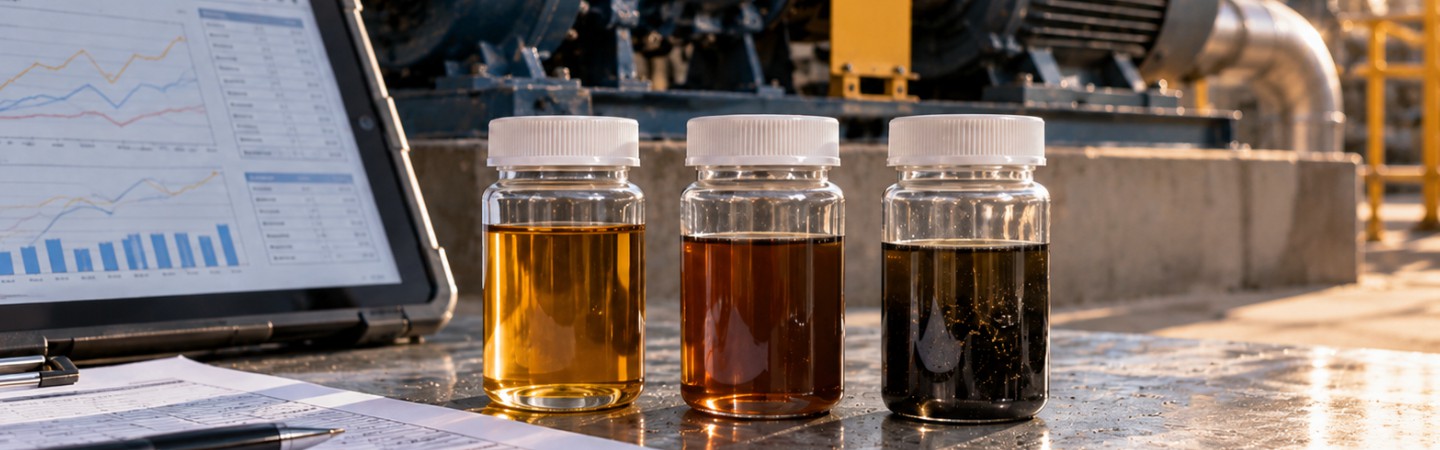
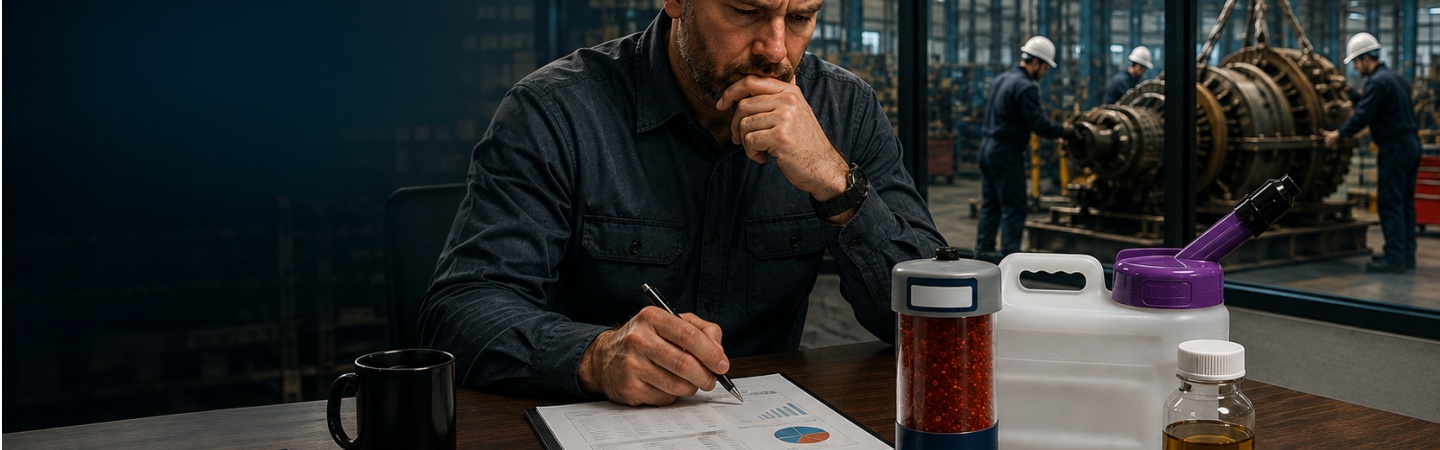
Filtering oil is a useful step, but how do you know whether it is clean enough for the equipment it serves? Establishing a cleanliness target gives maintenance teams a way to evaluate results, investigate contamination, and confirm that corrective actions are working.You’ve filtered the oil. It visually looks clean.
But has the oil reached the cleanliness level the equipment needs?
Without a defined target, that question is difficult to answer. Maintenance teams can complete filtration tasks and collect particle-count results without knowing whether the outcome is acceptable.
A cleanliness target gives those activities a purpose. It establishes what you are trying to achieve and provides a reference for deciding what happens next.
Appearance Only Tells You So Much
Oil can look clear while containing particles too small to see. Visual inspections remain useful, but they cannot confirm whether particle contamination is within an acceptable range.An ISO cleanliness code provides a more consistent measurement. Reported as three numbers, it describes particle concentrations at specified sizes. Lower numbers indicate fewer particles in the corresponding size ranges.
The code tells you about particle contamination. Determining whether that result is acceptable requires an equipment-specific target.
It also does not replace other lubricant tests. Water content, viscosity, lubricant degradation, and wear indicators still need attention.
Start With Equipment Requirements
The first place to look is the equipment manufacturer’s guidance. Review the requirements for the system and its individual components, particularly those most sensitive to contamination.A hydraulic system may require a different cleanliness level than a gearbox. Applying one plant-wide code without considering those differences can leave some equipment insufficiently protected.
When guidance is unavailable or unclear, work with the equipment manufacturer, lubricant supplier, or a qualified contamination-control specialists. Consider component sensitivity, operating conditions, equipment criticality, and the consequences of failure when establishing the target.
Document the agreed requirement where technicians and anyone reviewing results can find it. Include the target, sampling location, sampling frequency, and response when results exceed the limit.
Measure From a Consistent Location
A target is only useful when the measurement represents the oil you intend to evaluate.A sample from a storage tank answers a different question than a sample from operating equipment. Likewise, a sample collected immediately downstream of a filter may show filter performance without representing conditions throughout the reservoir.
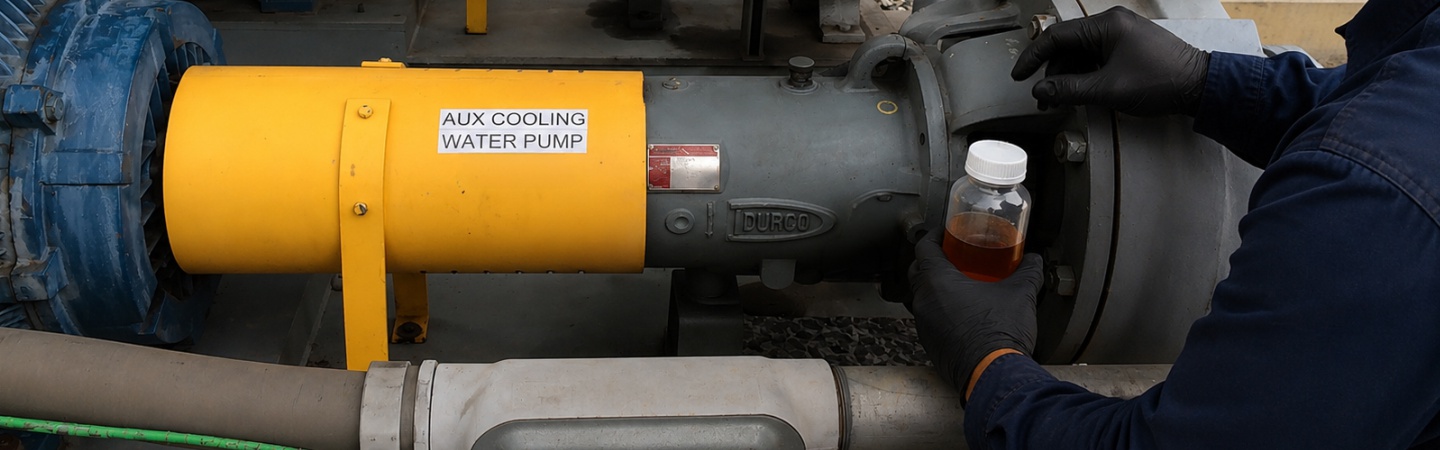
Use an established sampling procedure and collect samples from a consistent location under comparable operating conditions. Follow the appropriate flushing procedure and use suitable, clean sampling equipment and bottles.
Trico’s existing particle-count guidance also highlights the value of reference samples throughout storage and transfer. These can help identify where contamination enters the lubricant’s journey.
Investigate Results Above the Target
An elevated particle count should prompt investigation.Start by confirming the sampling method and reviewing the result alongside previous samples. Then consider possible sources:
- Contamination entering through breathers, seals, or open ports.
- Particles introduced during storage, transfer, or top-ups.
- Wear debris generated inside the equipment.
- Filtration that is unsuitable for the lubricant or operating conditions.
The response should address both the contamination already present and the source that allows it to return.
Verify That Improvement Lasts
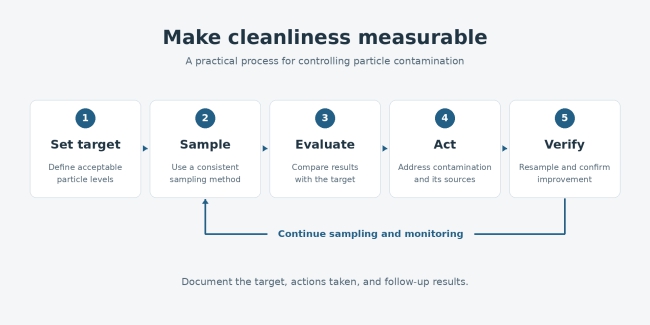
After corrective action, collect a follow-up sample using the established procedure. Compare the result with the target and continue monitoring.One improved result shows progress. Subsequent results help establish whether the improvement is being maintained.
For example, oil that reaches the target after filtration but repeatedly exceeds it during operation deserves further investigation. Review contamination entry points, operating changes, and filtration performance.
Record what changed, when it changed, and what the follow-up results showed. That history helps the next technician understand which actions were effective.
Make Cleanliness Part of the Procedure
A useful cleanliness program connects four things: a defined target, a representative measurement, an appropriate response, and verification.Start with one critical asset. Confirm its requirements, review the sampling procedure, and compare current results with the agreed target. Then use what you learn to strengthen the
approach across other equipment.
Need help understanding your equipment’s oil cleanliness? Trico’s Oil Analysis team can help you evaluate particle-count results and identify practical next steps for contamination control.
Category:
Tags: