Dan Freeland
04.16.2024
Summary
Condition Monitoring in industrial maintenance is key for equipment reliability, using Preventive and Predictive maintenance strategies. Preventive maintenance involves regular inspections and scheduled maintenance, while Predictive maintenance detects potential failures during operation for cost-effective interventions. Both strategies together enhance machine lifespan and operational stability.
Integrating Preventive and Predictive Maintenance to Enhance Equipment Health
Condition monitoring has become a critical strategy for improving equipment reliability, reducing downtime, and maximizing maintenance resources. At the center of this approach are two maintenance methodologies: preventive maintenance and predictive maintenance.While often compared as competing approaches, preventive and predictive maintenance are most effective when used together. Understanding how each strategy works and where each provides value can help maintenance teams improve equipment performance, extend asset life, and make better use of limited resources.
What is Condition Monitoring?
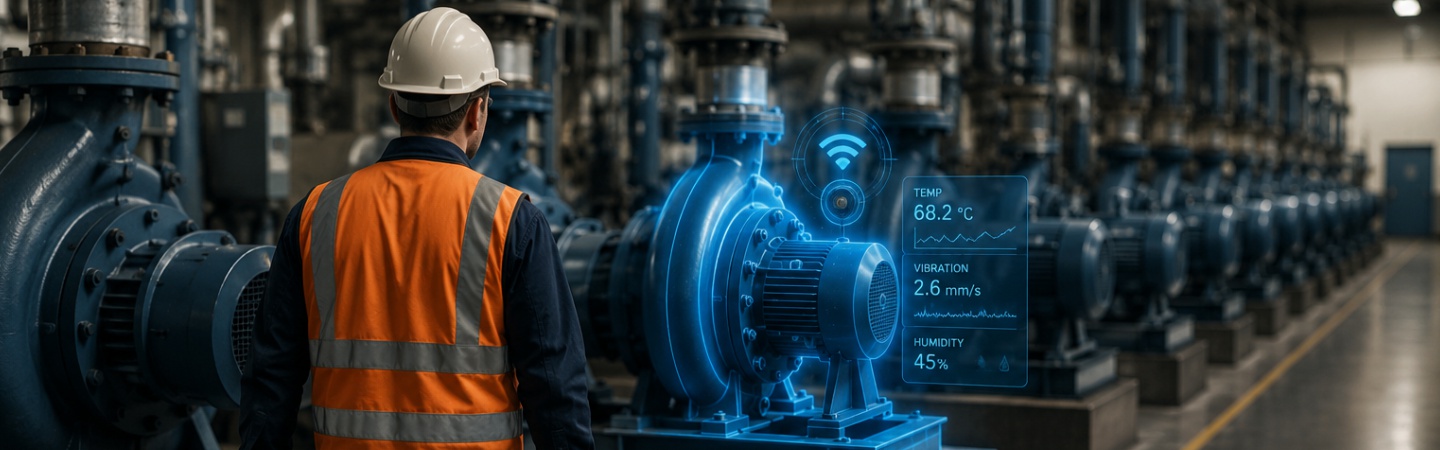
Condition monitoring is the process of collecting and analyzing equipment health data to identify developing issues before they lead to failure.By monitoring operating conditions such as vibration, temperature, pressure, moisture, lubricant condition, and other performance indicators, maintenance teams can gain visibility into machine health and make informed maintenance decisions.
Condition monitoring serves as the foundation of predictive maintenance by providing the data needed to detect abnormalities and identify potential failures before they occur.
What is Preventive Maintenance?
Preventive maintenance involves performing routine inspections, servicing, and maintenance activities at predetermined intervals to reduce the likelihood of equipment failures.This time-based or usage-based approach has long been the foundation of industrial maintenance programs because it creates a predictable maintenance schedule and helps reduce the risk of unexpected breakdowns.
The primary benefits of preventive maintenance include:
- Improved equipment reliability
- Reduced risk of catastrophic failures
- Increased workplace safety
- Planned maintenance scheduling
- Better control of maintenance activities
Preventive maintenance is structured around the who, what, where, when, why, and how of maintenance activities:
- Who: Skilled maintenance technicians
- What: Scheduled maintenance tasks
- Where: Critical production assets
- When: Predetermined intervals
- Why: Prevent equipment failures
- How: Systematic inspections and maintenance procedures
What is Predictive Maintenance?
Predictive maintenance (PdM) is the practice of monitoring equipment condition during normal operation to identify developing issues before they result in failure.Rather than relying solely on a fixed maintenance schedule, predictive maintenance uses condition monitoring technologies and data analysis to determine when maintenance is actually needed.
By identifying problems early, maintenance teams can take corrective action before equipment performance is impacted or downtime occurs.
Benefits of predictive maintenance include:
- Reduced maintenance frequency
- Improved maintenance efficiency
- Lower maintenance costs
- Reduced unplanned downtime
- Extended equipment life
- Better allocation of maintenance resources
Preventive Maintenance vs. Predictive Maintenance: What's the Difference?
The primary difference between preventive maintenance and predictive maintenance is how maintenance activities are triggered.
| Preventive Maintenance | Predictive Maintenance | Typical Example |
|---|---|---|
| Schedule-based | Condition-based | Lubricating a motor bearing every 30 days versus lubricating only when vibration and temperature data indicate a need. |
| Performed at fixed intervals | Performed when data indicates a need | Replacing a gearbox lubricant annually versus changing it based on oil analysis results. |
| Relies on maintenance schedules | Relies on equipment health data | Following a PM calendar versus responding to abnormal vibration, temperature, or pressure trends. |
| Higher labor requirements | More targeted labor utilization | Inspecting every pump monthly versus focusing only on assets showing signs of deterioration. |
| May result in over-maintenance | Helps reduce unnecessary maintenance | Replacing healthy bearings on schedule versus replacing bearings when monitoring data indicates wear. |
| Easier to implement initially | Requires monitoring technology | Using maintenance checklists versus deploying wireless sensors, oil analysis, and condition monitoring software. |
Both approaches have value and most successful maintenance programs use a combination of the two.
Can Predictive Maintenance Replace Preventive Maintenance?
Not entirely.While predictive maintenance provides valuable insights into equipment health, many maintenance activities still need to be performed on a scheduled basis.
Examples include:
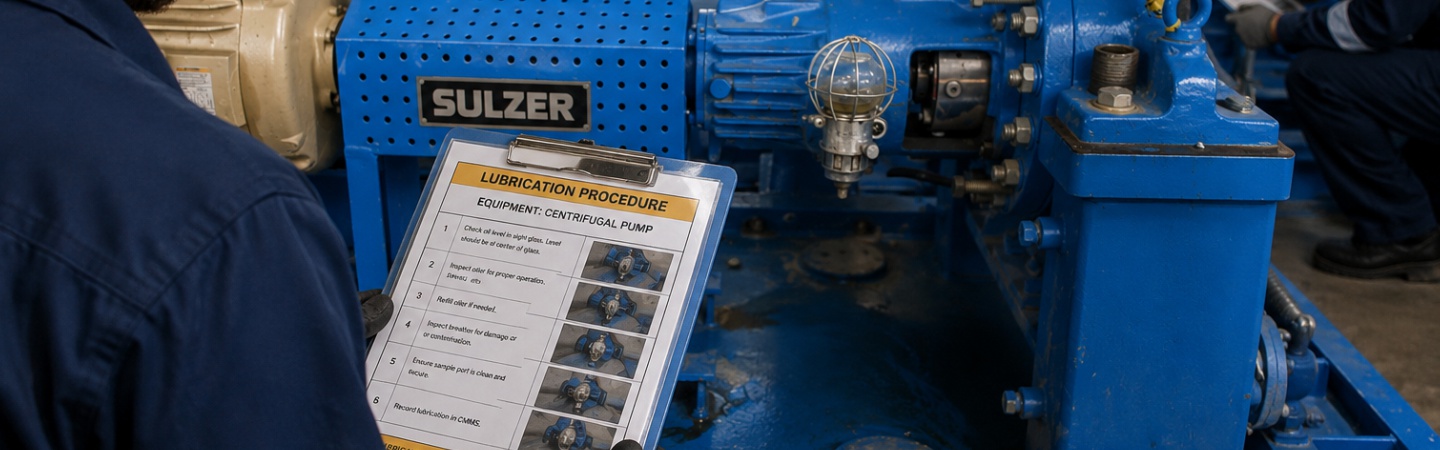
- Lubrication routes
- Safety inspections
- Regulatory compliance tasks
- Filter replacements
- Routine housekeeping activities
The goal is not to eliminate preventive maintenance, it's to make maintenance efforts more effective by combining preventive and predictive approaches.
How to Measure Machine Health and Performance
Effective condition monitoring relies on continuously evaluating equipment operating conditions and identifying deviations from normal performance.Several technologies play a key role in measuring machine health.
Vibration Monitoring
Vibration monitoring helps identify:
- Bearing defects
- Misalignment
- Mechanical looseness
- Imbalance
- Gear wear
Temperature Monitoring
Temperature monitoring can reveal:
- Lubrication issues
- Excessive friction
- Electrical problems
- Cooling system failures
- Overloaded equipment
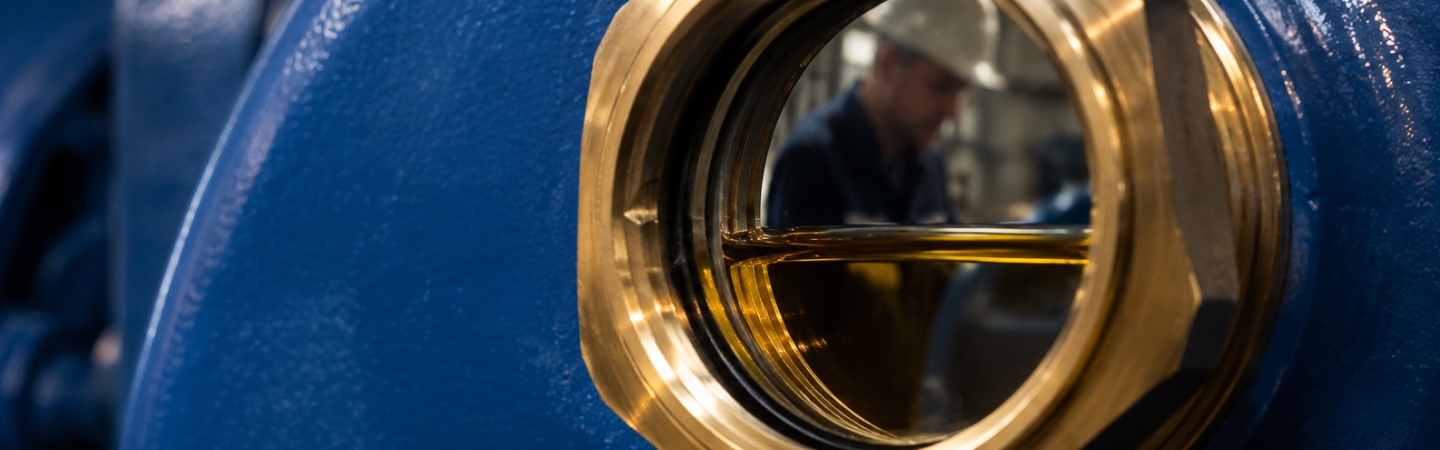
Oil Analysis
Oil analysis provides insight into both lubricant condition and machine condition.It can help identify:
- Contamination
- Lubricant degradation
- Moisture intrusion
- Wear particles
- Component distress
Moisture Monitoring
Water contamination is one of the leading causes of lubricant degradation and equipment damage.Monitoring moisture levels can help prevent:
- Corrosion
- Lubricant breakdown
- Reduced bearing life
- Increased wear
Pressure Monitoring
Pressure monitoring helps identify:
- Restrictions
- Leaks
- Pump issues
- Flow abnormalities
- Process disruptions
Why More Facilities Are Adopting Predictive Maintenance
Maintenance departments today face increasing challenges, including:
- Skilled labor shortages
- Aging equipment
- Limited maintenance resources
- Growing reliability expectations
- Pressure to reduce downtime
Instead of spending valuable time inspecting every asset on a fixed schedule, maintenance teams can prioritize equipment showing signs of deterioration and intervene before failures occur.
This results in more efficient use of labor, reduced downtime, and improved equipment reliability.
What Makes Trico Different?
Implementing an effective maintenance strategy can be complex, especially when equipment data exists in multiple locations and systems.Trico simplifies this process through a comprehensive approach to lubrication management, condition monitoring, and oil analysis.
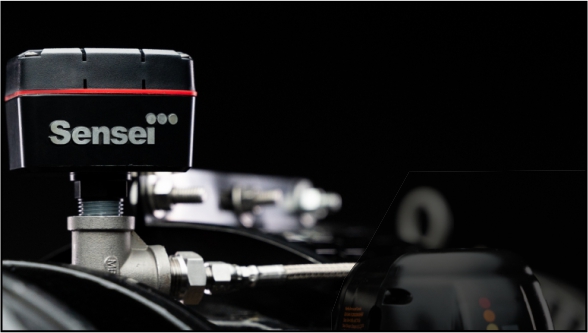
By integrating wireless sensor technology such as Machine Vitals, facilities can continuously monitor critical operating conditions and gain real-time visibility into equipment health.
- Machine health data
- Oil analysis results
- Equipment information
- Maintenance records
- Condition monitoring trends
The Bottom Line
Preventive maintenance and predictive maintenance are not competing strategies they are complementary tools within a modern condition monitoring program.Preventive maintenance provides the structure needed to maintain equipment reliability, while predictive maintenance delivers the insight needed to optimize maintenance activities and focus resources where they will have the greatest impact.
Organizations that successfully combine both approaches are better positioned to reduce downtime, improve asset reliability, extend equipment life, and maximize maintenance efficiency.
As maintenance teams continue to face labor shortages and increasing reliability demands, condition monitoring and predictive maintenance technologies will play an increasingly important role in helping facilities achieve their operational goals.
Looking to strengthen your condition monitoring program? Contact Trico to learn how integrated sensor technology and oil analysis can help improve equipment reliability across your facility.
Category:
Tags: