Dan Freeland
10.29.2024
Summary
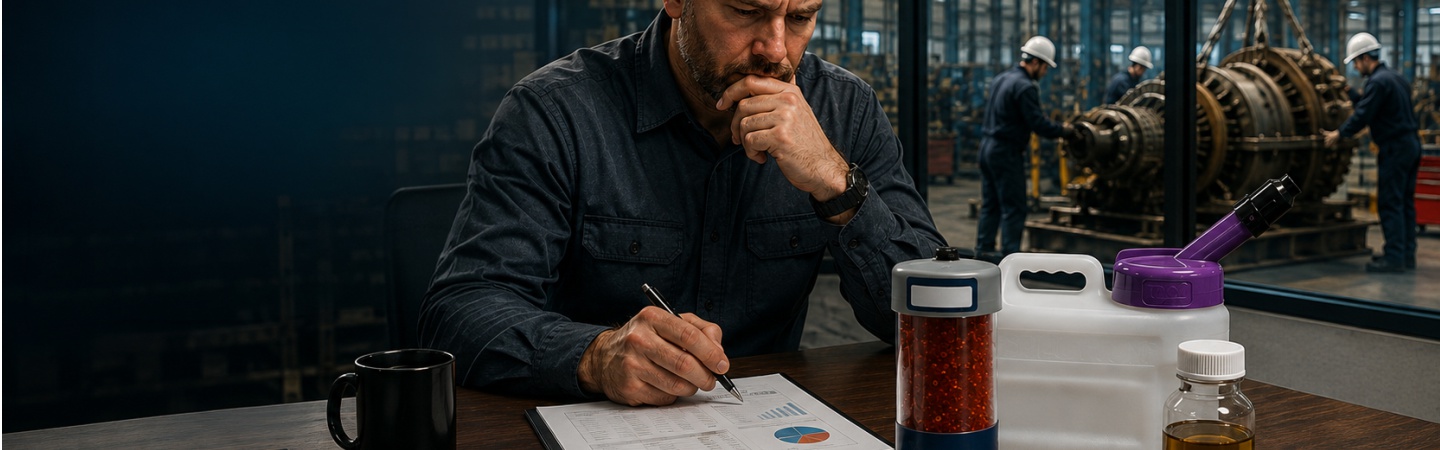
Lube routes remain one of the most valuable maintenance activities in industrial facilities but their purpose has changed. Today's best programs combine routine inspections with condition monitoring, oil analysis, and sensor data to prioritize maintenance, improve efficiency, and catch equipment problems before failures occur.
Old School Routine Meets High Tech Smarts
For decades, lubrication routes have been the backbone of preventive maintenance. Every day, maintenance technicians follow planned routes to lubricate bearings, inspect equipment, and keep production assets operating reliably.While the basic concept hasn't changed, the purpose of a lube route certainly has.
Today, the most effective lubrication programs aren't simply about adding grease or topping off oil. They're about collecting information, identifying developing problems, and making better maintenance decisions.
Rather than replacing traditional lube routes, modern technology has made them significantly more valuable.
What Is a Lube Route?
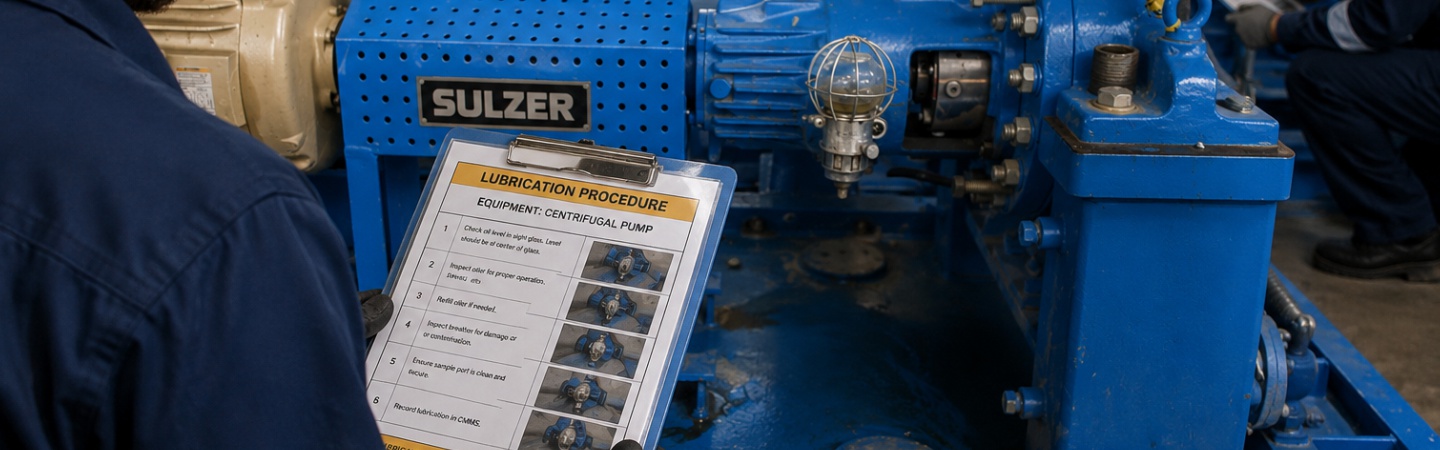
A lubrication route is a planned inspection and lubrication schedule where technicians visit equipment at defined intervals to: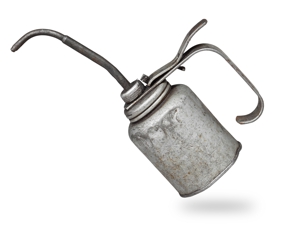
- Lubricate bearings and other components
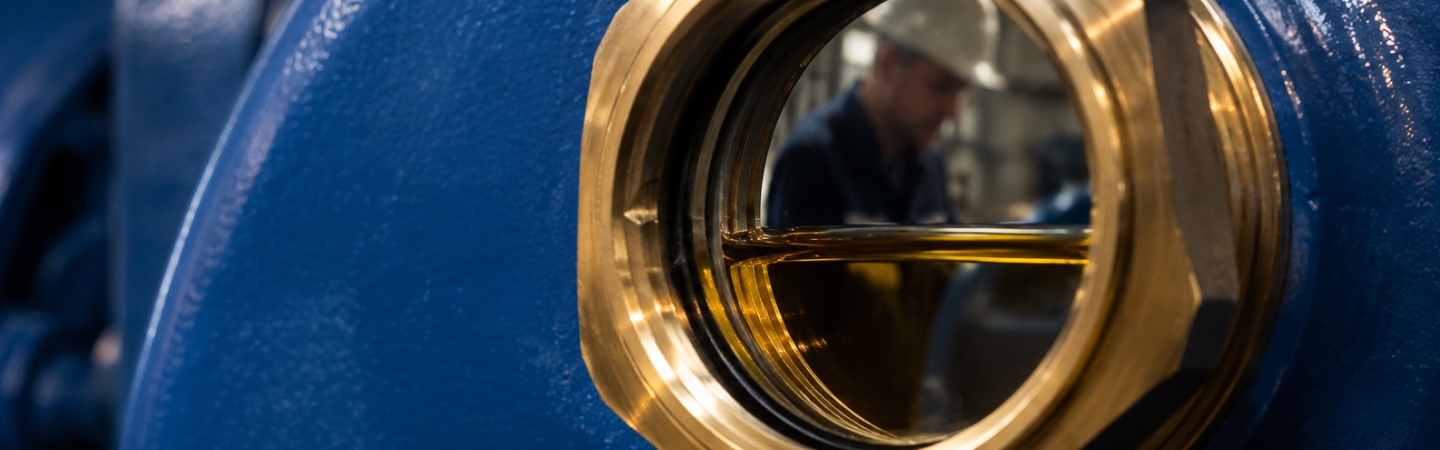
- Verify oil levels
- Inspect for leaks
- Check breathers and filtration hardware
- Look for contamination
- Listen for unusual sounds
- Observe equipment operating conditions
Historically, routes were built around time.
Every 30 days.
Every 90 days.
Every six months.
The assumption was simple: if equipment receives lubricant on schedule, reliability improves.
While scheduled lubrication is still important, time alone doesn't tell the whole story.
The Limitations of Time-Based Routes
Equipment doesn't fail on a calendar. Some machines operate continuously under heavy loads. Others run only occasionally. Environmental conditions, contamination, operating temperatures, and production demands all affect how quickly lubricant degrades.A fixed schedule can lead to several problems:
- Over-lubrication, which increases bearing temperatures and can damage seals.
- Under-lubrication, allowing metal-to-metal contact and accelerated wear.
- Missed warning signs, because technicians focus on completing the route instead of evaluating machine condition.
- Wasted maintenance time, servicing equipment that doesn't actually need attention.
A Lube Route Should Be an Inspection Route
One of the biggest opportunities in modern lubrication programs is changing how technicians think about their routes.Adding lubricant should only be one part of the job.
Every route is also an opportunity to inspect equipment for developing problems before they become failures.
Experienced technicians naturally notice things like:
- Oil levels changing unexpectedly
- Dirty or saturated desiccant breathers
- Small leaks around seals
- Rising operating temperatures
- Unusual vibration or noise
- Changes in lubricant appearance
When documented consistently, small observations become valuable maintenance data.
Using Condition Monitoring to Prioritize Work
Condition monitoring doesn't eliminate lubrication routes it helps make them smarter.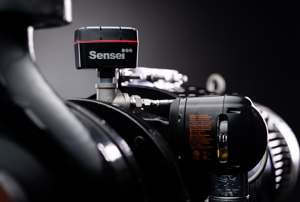
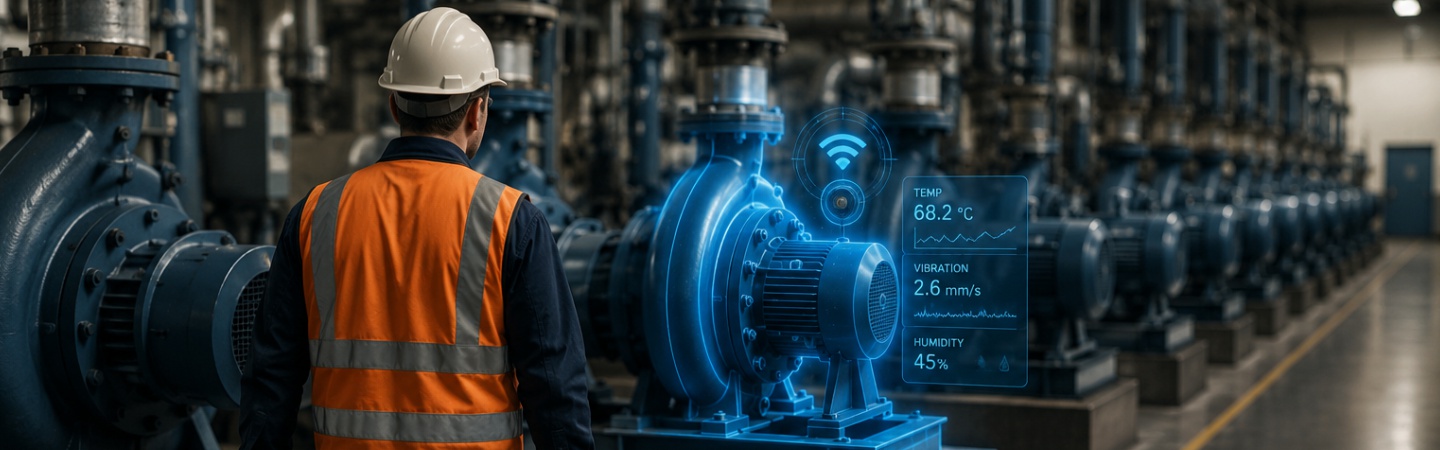
Sensors that monitor temperature, vibration, pressure, humidity, and lubricant condition provide continuous insight into equipment health between inspections.
Instead of servicing every asset on a fixed schedule, maintenance teams can prioritize equipment showing signs of change.
For example, a sensor may detect:
- Increasing bearing temperature
- Abnormal vibration trends
- Moisture entering a gearbox
- Pressure changes indicating restricted breathers
This shifts maintenance from calendar-driven activities toward condition-driven decisions.
Combining Sensors with Human Expertise
Even with today's monitoring technology, people remain an essential part of any lubrication program.Sensors provide continuous measurements.
Technicians provide context.
A technician may notice:
- Oil discoloration
- Loose hardware
- Damaged fittings
- Housekeeping issues
- Improper lubricant storage
- Small leaks that sensors cannot detect
Technology identifies which assets deserve attention, while technicians confirm conditions, perform corrective actions, and document what they observe.
Building a Smarter Lube Route
Modern lubrication routes are no longer simply checklists.They become part of a broader reliability strategy by combining:
- Planned lubrication tasks
- Routine equipment inspections
- Condition monitoring alerts
- Oil analysis results
- Maintenance documentation
- Follow-up corrective actions
The Future Isn't Fewer Routes, It's Better Routes
Lube routes aren't disappearing. They're evolving.Facilities that combine routine inspections with condition monitoring and oil analysis gain better visibility into equipment health, reduce unnecessary maintenance, and catch developing problems earlier.
The result isn't just improved lubrication.
It's a more efficient maintenance program that helps extend equipment life, reduce unplanned downtime, and make better use of limited maintenance resources.
Because the best lube route isn't measured by how many machines you visit.
It's measured by how many failures you prevent.
Category:
Tags: